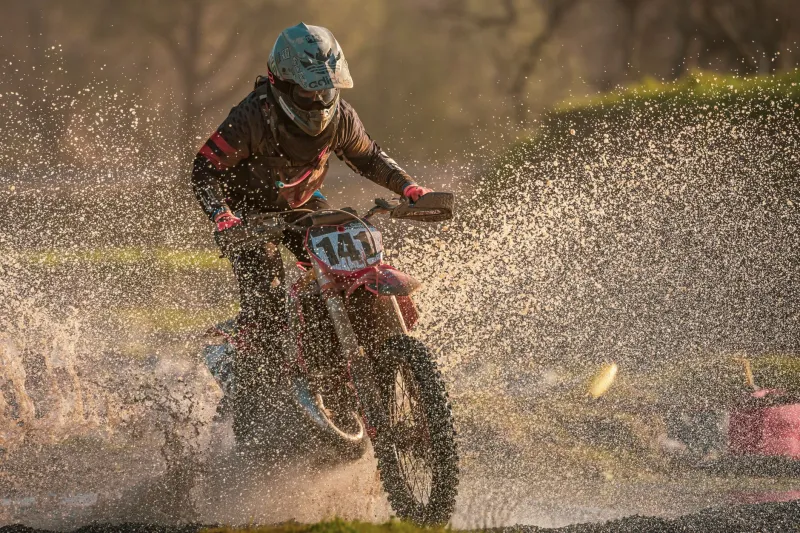
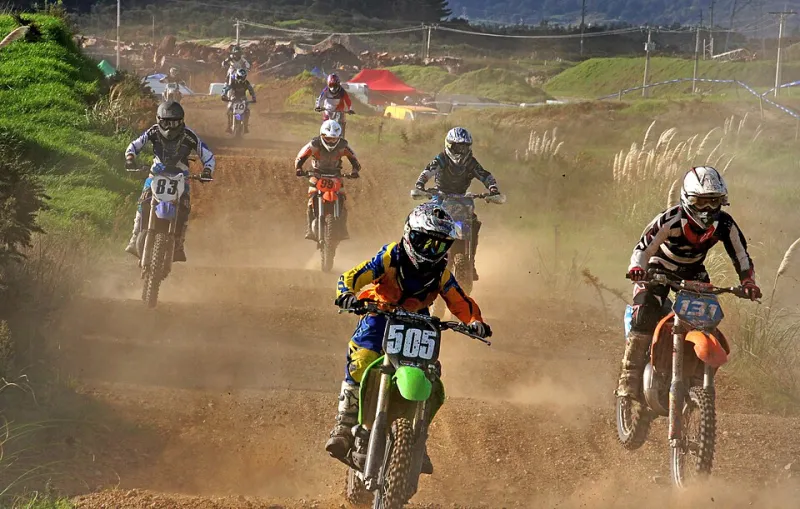
When the App Says Dry: Reading UK Race Weather Like a Paddock Veteran
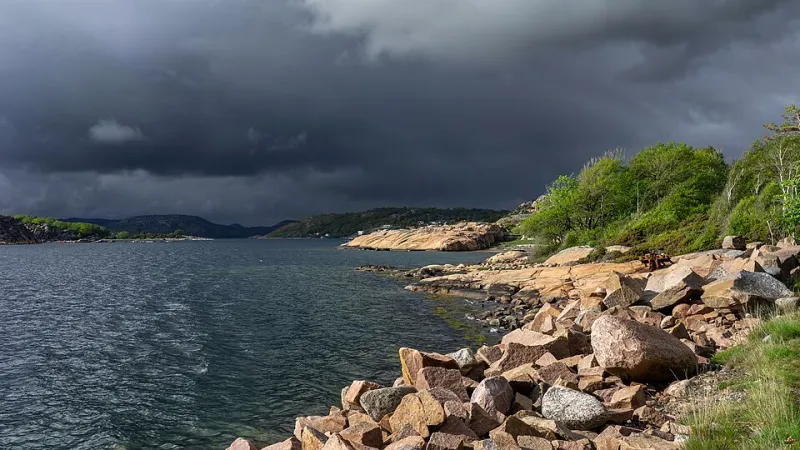
Photo: W.carter, CC BY-SA 4.0, via Wikimedia Commons
Every rider checks the weather. Very few check it properly. There's a big difference between glancing at a little sun icon on Thursday night and actually building a race plan out of rain radar, wind direction and the temperature the track dropped to at 3am.
The forecast is not a prediction of your race day. It's a set of ingredients. What you do with them is the job.
The app is a starting point, not a plan
A general forecast for a town ten miles from the circuit tells you almost nothing about the track. A hillside circuit with clay in the soil drains and dries completely differently to a flat, silty venue with a stream along the bottom field. If you've raced a place before, your memory of how it holds water is worth more than any app.
So treat the forecast as the first question, not the answer: what is this specific track going to do with this specific weather?
Three things worth looking at beyond the icon
1. Rain radar, not rain chance. A "40% chance of rain" might mean one sharp shower at 6am or persistent drizzle from ten until two. The radar animation tells you which. If you can see a front tracking across the country, you can also make a decent guess at when it'll reach you.
2. Wind direction. Wind dries ground fast, and it dries the exposed side of a track first. A stiff south-westerly on a track with no tree cover can have the top field tacky by the second moto while the wooded section stays a swamp all day. It also tells you which way a shower is going to drift — and whether that black cloud is heading for you or past you.
3. The overnight low. This is the one riders miss most. A clear night after a wet day means the ground freezes hard. A frozen track at 7:30am is not the track you'll race on at noon. Two things follow: tyre choice at sign-on may be genuinely wrong by moto two, and your travel timing matters because the first practice sessions on ice are nobody's friend.
Scenario one: dry forecast, soup by moto two
This is the classic British trap. Thursday says dry. Friday says dry. Saturday morning you arrive to a hard, dusty track and fit something soft and sticky because it's what you always do.
Then the sky goes the colour of a wet slate and it absolutely tips it down for twenty minutes during the lunch break.
What the paddock veterans do differently:
- They pack for the track they'll get in the third moto, not the one they're standing on at 8am.
- They bring a second set of wheels or at least a spare rear tyre, and they make the call on the walk before the race, not at scrutineering.
- They watch the sky rather than the phone once they're on site. If the big grey wall is coming and the wind is pushing it in, the track will change halfway through a moto. There is no tyre that's perfect for both halves, so you pick the one that's right for the second half.
- They keep gearing in mind. A track that goes from dry and fast to wet and heavy wants a slightly shorter gear — you'll be riding lower in the revs and using the clutch more than you planned.
Scenario two: the frozen practice morning
You arrive, the puddles are solid, the ruts are set like concrete, and the first few riders out are doing their best impression of a curling team.
What actually helps:
- Leave earlier than you think. Not to beat traffic — to give your tyres and your head time to adjust to the fact that plan A is dead.
- Don't chase the icy practice. If your group goes out on a rock-hard track, treat it as a sighting lap and nothing more. You learn nothing useful about race pace and you risk a shoulder.
- Plan for the thaw. By mid-morning that frozen surface becomes deep, loose and slow. If you've travelled with mud tyres and a spare set of riding gear, you're fine. If you've packed for a dry day, you're borrowing kit from a stranger.
- Watch where the sun lands. On a thawing track, the shaded sections stay firm and quick for an hour longer than the open ones. That's not just a tyre decision — it's a line choice and an overtaking plan.
Scenario three: one side drains, the other drowns
Plenty of UK circuits have a high side and a bog side. You'll see it most on a wet, windy day: the exposed ridge dries into tacky, grippy perfection while the bottom field is ankle-deep soup, and the two are only separated by a tree line.
This is where the best riders gain whole seconds while everyone else complains. Fit for the worst section — you can ride a mud tyre on tacky ground far more easily than a hard-pack tyre in a bog — then ride the dry side intelligently. Feel for grip rather than assuming it, be gentler on the throttle where the surface has gone slick-but-firm, and take the wide, cleaner line on the wet side where the ruts are less churned.
Also: if the wind is drying one side, that side will get better as the day goes on. Be patient in moto one. Attack in moto three.
Travel timing is a race decision too
Boring, but real. A wet day means:
- Slower traffic and more incidents on the A-roads
- A queue at the gate because everyone arrives at once when it's raining
- Longer sign-on because people are faffing with wet paperwork
- Less time for a track walk, which is the one thing you genuinely need when conditions are changing
Aim to be parked and signed on with at least an hour and a half before your first practice on a wet day. On a cold, clear, frosty morning, add another twenty minutes for a slower drive and a slower start.
The paddock checklist
Before you leave, five minutes on your phone:
- Check the radar animation for the next six hours, not the daily summary.
- Note the wind direction and strength.
- Note the overnight low and whether there was rain before it.
- Look at how the track drains in your memory of it — high side, low side, tree cover.
- Decide on your tyre plan and your backup. Load both if you can.
Then, when you get to the track, walk it with a real question in mind: where is the water going and how fast is it leaving? Answer that and the tyre choice makes itself.