Frost, Floods and Racecraft: Inside the UK’s 2026 Winter Motocross Series
November in the UK has a habit of making motocross look like a bad idea. The clocks have gone back, the forecast is more drizzle than daylight, and the van smells of wet kit before you’ve even reached the track. Yet on Sunday mornings through the winter, club paddocks still fill with vans, gazebos and riders pulling on cold boots. As of 9 November 2026, the club winter series are already underway, and they’re not just a way to pass the off-season. They’re a racecraft bootcamp.
What a Winter Meeting Actually Looks Like
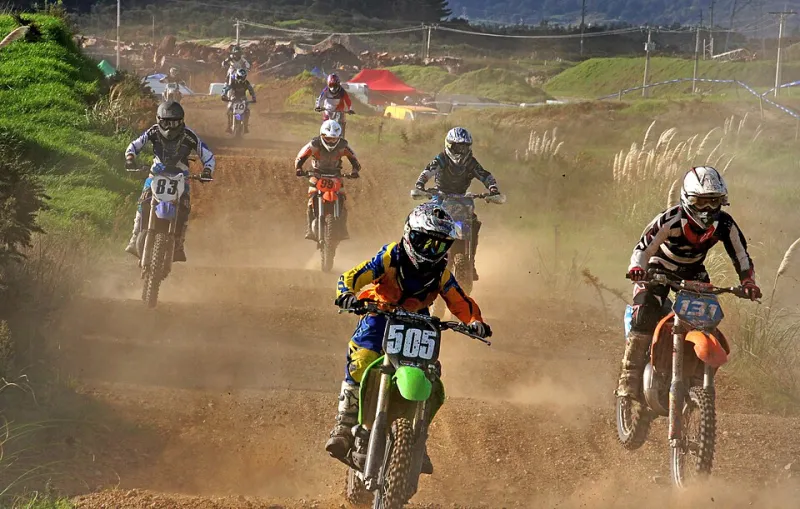
A winter club meeting is a leaner version of a summer race day, but it still has all the familiar beats. You sign on, get scrutineered, walk the track, panic about the weather, and then go racing. The difference is the rhythm. Daylight is short, so practice can be brisk and the schedule tight. Club officials want racing done before the light fades, and that means less hanging about and more getting on with it.
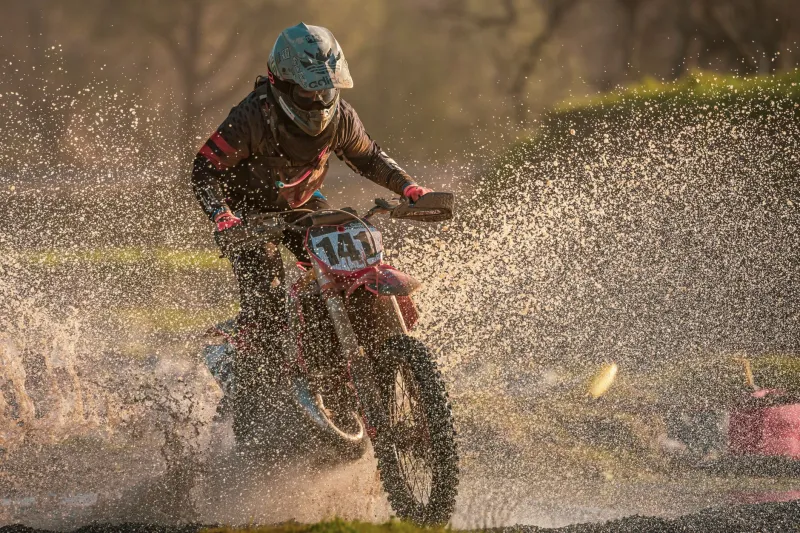
The paddock is usually a mix of hardened regulars and riders using the winter to build confidence. Gates can be smaller than a summer championship, but don’t mistake that for easy. The fast lads still turn up, and the track can be at its most demanding: standing water, deep ruts, greasy clay, and that special British mix of mud that sticks to everything except the tyres.
For spectators, it’s a proper winter day out. You’ll want waterproofs, warm layers and boots that can handle a boggy verge. A flask and a folding chair go a long way. The racing is close, the paddock is friendly, and you’re never far from a burger van or a brew.
Why Cold, Wet Racing Sharpens You Faster
Summer practice can make you lazy. The track is dry, the lines are obvious, and you can get away with a handful of heroic moves. Winter racing punishes that approach. Mud forces you to be smooth, because sharp inputs cost you drive. Cold hands make you think about grip and body position. Short days make every lap count.
That’s why the winter series are so valuable. You’re not just keeping fit; you’re learning to read a track that changes every few laps. A rut that worked in practice can be ruined by the second moto. A line that looked quick on the sighting lap can become a swamp once twenty bikes have been through it. Riders who learn to adapt in those conditions arrive at the first spring races with a real advantage.
Starts matter too. A winter gate can be slick, rutted or boggy, and getting drive off the line is a skill in itself. If you can holeshot in mud, you can holeshot anywhere.
Setting the Bike for Slop, Not Summer
Bike setup is where winter racing gets interesting. The basics still apply — clean air filter, fresh oil, good brakes — but the details change. Tyres are the obvious starting point. A proper mud tyre with open tread and a soft compound is worth its weight in grip, but check your club rules first. Some winter series run control tyres, and some tracks are kinder to a mid-soft than a full mud spike.
Tyre pressure is a balancing act. Too high and you’ll skate; too low and you risk pinch flats or rolling the tyre off the rim. Ask around the paddock, check with the tyre fitters, and don’t chase a summer pressure out of habit.
Suspension doesn’t need to be radically softer, but it does need to work with the conditions. If your bike is set up rock-hard for dry hardpack, it’ll deflect and wear you out. Check sag, clickers and fork height, and make small changes rather than a full rebuild.
Carburetted two-strokes can run lean in cold, dense air, so keep an eye on jetting and plug colour. EFI bikes may need a different map if the conditions are really sloppy. Warm the bike properly, clear the radiators of mud, and check your brakes after every moto. Winter grit eats bearings, chain and brake pads, so a quick wash and a dose of grease at the end of the day is time well spent.
Tracks That Reward a Different Kind of Bravery
British winter tracks are not always pretty. Some venues drain well and stay tacky; others turn into a proper bog. The trick is to ride the track you’ve got, not the one you wish you had. In mud, momentum is king, but it has to be controlled momentum. Braking late and squaring off works in the dry; in winter, smooth arcs and early throttle often pay better.
Ruts are your friend, even when they feel terrifying. Once you commit, keep your eyes up and let the bike move. Standing water hides ruts and holes, so walk the track if you can. And if the club shortens the track or cuts a section, don’t moan — they’re usually doing it to keep the meeting safe and running.
For Spectators: Pack for the Weather, Not the Forecast
The forecast will lie. Assume rain, assume wind, assume you’ll be standing in a field longer than you planned. Waterproof over-trousers, a decent jacket, wellies or walking boots, and a change of socks are not overkill. A thermos is essential. So is a bin bag for wet kit, or a waterproof seat if you’re sitting trackside.
Park where the club asks you to park. The verges are soft in winter, and a tow truck is not part of the day out. Keep dogs on leads, stay behind the tapes, and give marshals plenty of room. If you’re new to the sport, a winter meeting is a great low-pressure introduction — just don’t expect to feel your toes by the last race.
The Winter Calendar Is a Calendar of Opportunity
There’s a reason riders keep coming back through the cold. Winter series often have a family feel, fewer clashes with summer holidays, and a paddock that’s happy to help. It’s a place to test new kit, try a different tyre, or simply keep the reflexes sharp when the rest of the country is watching football.
By the time spring arrives, the riders who raced through the winter will have banked more than fitness. They’ll have learned how to read a changing track, how to pass in a bog, and how to keep it upright when the conditions are doing their best to put them on the floor. That’s racecraft you can’t buy in a summer practice session.
So don’t write off November. Pack the flask, check the tyre pressures, and get yourself to a winter meeting. The mud is cold, but the racing is worth it.