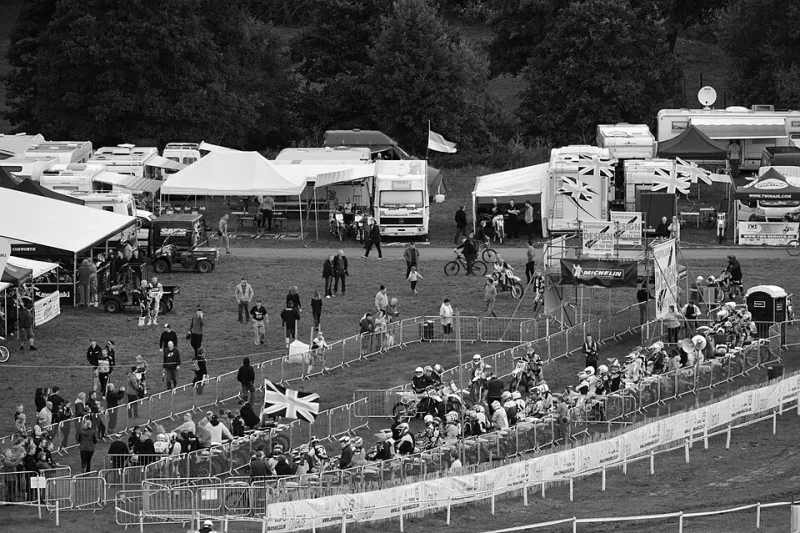
Mud, Compression and Paperwork: Buying a Used 125 Two-Stroke for 2026 Club Racing
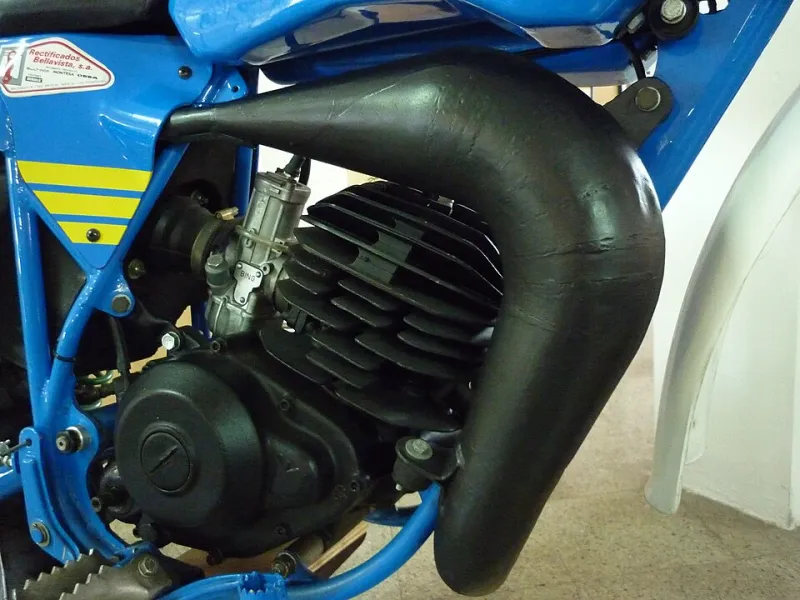
Photo: Peprovira, CC BY 3.0, via Wikimedia Commons
A used 125 two-stroke is still one of the great bargains in UK club motocross. Light, simple, cheap enough to race on a club budget and fast enough to teach you more about carrying momentum than any four-stroke will. But the gap between a tidy race bike and a mud-plugged project is wider than most sellers admit. If you are handing over cash for a 125 in 2026, go in with your eyes open and a checklist in your pocket.
First, Check the Class You Actually Want to Race
Before you fall for a shiny set of plastics, work out where the bike will fit. UK club motocross is run by ACU-affiliated clubs and each meeting has its own supplementary regulations. A 125 two-stroke may run in a specific 125 class, or alongside bigger bikes in an MX2-style group, depending on the club, the meeting and your age or ability. Youth riders have extra age restrictions, and adult novices may be pointed towards a different gate. Ring the club secretary before you buy. It sounds dull. It is cheaper than buying the wrong bike and finding out at signing-on.
Also check the small stuff: noise limits, transponder requirements, kill switch rules and number plate colours. These are not deal-breakers, but they are costs. A bike that needs a new transponder mount and a fresh set of numbers is already £50–£100 deeper into your wallet.
Set a Budget That Includes the Van Door Closing
In 2026, a usable older 125 two-stroke — think a well-used but straight YZ125, KTM 125 SX or similar — tends to sit around £1,200–£2,500. A newer, genuinely race-ready example can push £2,800–£4,500. Below about £1,000, assume you are buying a project, not a race bike. That is fine if you enjoy spannering, but it is not the cheap route into racing.
Leave £500–£800 aside for the first month. Tyres, chain and sprockets, brake pads, fork seals, gear oil, premix and a spare air filter add up fast. The bike is the deposit, not the whole bill.
The Cold-Start Test Is Non-Negotiable
Never buy a two-stroke that has been warmed up before you arrive. A cold engine tells you far more. Ask the seller to leave it overnight. Then check that it starts from cold within a sensible number of kicks, idles without chasing, and does not rattle like a bag of spanners. Blue smoke on start-up is normal; metallic knocking is not. Make sure the kill switch works and the throttle snaps back cleanly. If the seller will not let you cold-start it, walk away.
Frame and Chassis
Look hard at the frame around the headstock, engine mounts, footpeg mounts and swingarm pivot. Cracks often hide under fresh paint or a layer of mud. Check the subframe for bends, the swingarm for dents and the linkage for slop. Lift the bike and feel for play in the swingarm and linkage bearings. A bearing rebuild is not the end of the world, but it is a bargaining chip. Check the frame number against the paperwork and make sure it has not been restamped or ground away.
Suspension and Wheels
Fork seals weep, stanchions chip and shock shafts rust. A fork service is routine; a bent stanchion or scored shock shaft is not. Bounce the bike and listen for knocking. Spin the wheels and watch for buckles, then check the spokes for tension and the rims for flat spots. Wheel bearings should turn smoothly with no gritty feel. Brake discs should not be deeply grooved, and calipers should not be seized. These are all fixable, but the costs pile up quickly.
Engine Wear
A 125 two-stroke is a simple engine, but it works hard. Ask when the top end was last done and for receipts. A compression tester is cheap and worth taking along; a leak-down test is even better if you can arrange one. Listen for big-end knock, check for oil weeping around the crank seals, and look at the clutch and gearbox feel. Check the powervalve mechanism moves freely and the reed petals are not chipped. Case cracks, stripped drain plugs and rounded bolts all tell a story about the owner. A top end is normal maintenance. A full rebuild is a negotiation.
Paperwork and Provenance
Motocross bikes do not have a V5, so proof of ownership matters. Ask for a receipt with the seller’s name and address, check the frame and engine numbers match the advert, and take a photo of the seller’s ID. Run a stolen-bike check if you can. Ask about race history, rebuild receipts and any known faults. A seller with a folder of paperwork is usually easier to trust than one who says “it’s all been done, mate” and changes the subject.
The Hidden Costs New Buyers Forget
Once the van door shuts, the spending starts. Race entries, ACU licence, club membership, transponder hire or purchase, fuel, premix, travel, tyres and spares all add up. Budget for a set of decent mud tyres and a spare set of wheels if you can. And remember the boring stuff: a decent stand, tie-downs, a tyre pressure gauge and a way to get the bike home when it will not start. The first season is rarely just the bike.
Before You Hand Over the Cash
Take a mate who knows two-strokes. Cold-start the bike. Check the frame, wheels, suspension and engine. Read the paperwork. If the seller rushes you, the frame number looks dodgy, or the bike only runs when warm, walk away. There will be another 125. The best used bike is not the cheapest one — it is the one that gets you to the start gate without emptying your wallet before the first chequered flag of 2026.