When the Track Goes Quiet: A Spectator’s Guide to Crashes, Flags and Helping Out
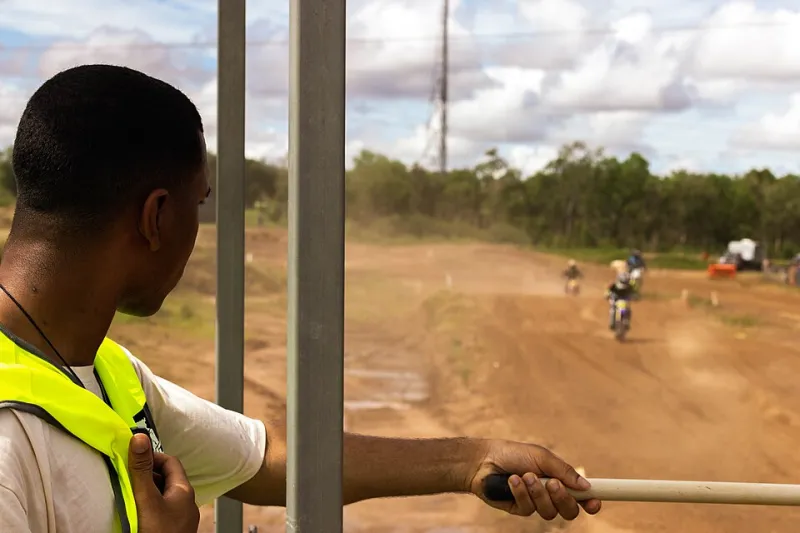
Photo: U.S. Marines MRF-D by Cpl. Keegan Jones, Public domain, via Wikimedia Commons
You’re stood at the fence with a brew in one hand and a phone in the other. Engines are screaming, roost is flying, and then a bike goes down. The noise changes. A few people gasp. Someone shouts. Your instinct says run, help, do something. At a British motocross track, the best first move is usually to stay exactly where you are and let the people who know the drill get to work.
This isn’t about being cold. It’s about being useful. A motocross meeting is a busy, loud, fast-moving environment, and a crowd surging towards an incident can make a marshal’s job harder in a heartbeat. Here at DemonMX, we’re all for paddock spirit. The trick is knowing when to pitch in and when to keep the gate clear.
First rule: let the flags do the talking
Flags are the track’s traffic lights. If you’re new to spectating, spend a few minutes before the first race working out where the flag posts are and how the marshals are positioned. It makes the whole day more enjoyable, and it means you’ll understand what’s happening when the pace suddenly changes.
A waved yellow flag is a warning. There’s something ahead, riders need to ease off, and jumping is usually off the menu. A stationary yellow is a gentler caution, but it still means pay attention. A red flag means the session has been stopped. Riders should roll jumps, stop racing and return to the paddock calmly. If you see red, don’t wave riders down yourself. Don’t step onto the track. Don’t lean over the fencing to point at something. The marshals have a plan, and the riders have been told what to do.
The chequered flag is the nice one: session over, results in the book. The rest are there to keep everyone safe, so treat them with respect rather than trying to second-guess them from the bank.
Give the rider room, even when it feels wrong
When a rider goes down close to the fence, it’s natural to want to rush over. But unless a marshal specifically asks you to help, stay behind the barrier. Riders can be winded, shaken, embarrassed or concussed. A crowd of strangers leaning over them is rarely what they need.
If a rider ends up near you and is conscious, a calm question like “Are you alright, mate?” is fine. Don’t try to move them, don’t pull at their helmet, and don’t haul them up by the arm. If they’re up and walking, let them find their feet. If they’re not, keep the space clear and shout for a marshal. That’s the helpful move.
Bikes can be hot, sharp and leaking fluids. Unless a marshal asks you to help move one, leave it alone. The same goes for gates, tapes and track furniture. A spectator trying to tidy up can accidentally wipe out evidence, block a medic or put themselves in the path of the next group of riders.
Marshals: back them up, don’t crowd them
Club marshals are the quiet heroes of a UK race day. They’re often volunteers, parents, former riders and people who have given up their Sunday to stand in a field with a flag. They radio for medical support, signal to riders, recover bikes and keep the meeting flowing. They don’t need a committee forming around them mid-incident.
If a marshal asks you to clear a path, do it. If they ask you to keep people behind the tape, do it with a smile and a bit of volume. If they need a gate held or a message passed to the next post, they’ll ask. Otherwise, give them room to work.
One of the most useful things a spectator can do is simply keep the viewing area tidy and accessible. Don’t block the gap in the fence. Don’t park buggies in front of the medical access point. Don’t let kids squeeze under the tape for a better look. It sounds basic, but on a busy bank after a crash, basic is everything.
When to call for medical help
At an organised meeting, medical cover is part of the setup. Marshals will radio for help, and the medics know the track. If you see a rider unconscious, struggling to breathe, complaining of neck or back pain, bleeding heavily or having a seizure, don’t move them. Shout for a marshal and keep the area clear.
If you’re in a remote part of the track and there’s no marshal nearby, call 999 and ask for an ambulance. Give the best location you can, including the track name, the nearest gate and a what3words reference if you have it. Then let the officials know what you’ve done. At a club meeting, though, the first port of call is normally the marshal or the medical crew. They have the radios and the route.
If a rider gets up and says they’re fine, still tell a marshal. Concussion isn’t always obvious, and adrenaline can carry a rider further than it should. Don’t offer painkillers or try to diagnose anything. Your job is to get the right people involved, not to play doctor.
Parents and first-timers: model the calm
Kids watch how adults react. If your child is spectating and sees a crash, keep your voice steady. Explain that the flags are doing their job and the marshals are looking after the rider. If your child is racing and goes down, wait for the marshal’s signal before heading anywhere near the track. Storming across the infield is a quick way to create a second incident.
If you’re the parent of an injured rider, make your way to the paddock medical area or speak to an official. Don’t sprint onto a live track. Don’t grab the rider before they’ve been assessed. It’s the hardest thing in the world to stand back, but it’s the right thing for everyone.
After the red flag
Once the session is stopped, the track may need checking, riders may need regrouping, and officials may need to make a decision about a restart. Give them time. Don’t boo, don’t chant for a restart and don’t film the injured rider for your socials. If you’ve got crash footage, think hard before posting it. Families may not have been contacted yet, and nobody needs their worst moment turned into a clip before they’ve got their boots off.
In the paddock, a bit of quiet etiquette goes a long way. Don’t crowd the team awning. Don’t ask “how bad is it?” while medics are working. Offer a hand with a bike stand, a bottle of water or a bit of space. Cheer when a rider walks back to the van under their own steam. That’s the DemonMX version of community spirit: loud on the bank, calm when it counts.
A crash is never the fun part of a race day. But how the crowd reacts can make a real difference to the rider, the medics and the club. Read the flags, keep the track clear, back the marshals and let the trained people do their jobs. Then get back to cheering when the gate drops again.