Hold the Spanners, Not the Throttle: A Parent’s First Season in UK Youth Motocross
Photo: Becker1999, CC BY 2.0, via Wikimedia Commons
So your child has watched one too many gate drops on YouTube, sat on a friend’s 65cc and announced that motocross is now their entire personality. Welcome to the parent pit lane. It’s muddy, it’s noisy, and at some point you will find a goggle lens in your washing machine. But it can also be brilliant — if you go into it with your eyes open and your wallet slightly braced.
This isn’t a guide to creating a champion. It’s a guide to surviving the first season without turning every Sunday into a family stress test. At DemonMX, we’re all for young riders getting stuck in. We’re also all for parents who remember that the person in the helmet is the one who has to enjoy it.
First things first: this is their sport, not your comeback
We’ve all seen the parent at the fence shouting split times at a nine-year-old. Don’t be that person. Your job is logistics, encouragement, snacks and making sure the van has a spare pair of socks. Their job is riding.
Youth motocross is a brilliant teacher. It builds confidence, bike control and the ability to pick yourself up after a rubbish start. It also teaches kids that some days the mud wins. Your role is to keep the experience positive enough that they want to come back next weekend — not to relive your own racing dreams through a child who just wanted a go on a dirt bike.
The paperwork bit: ACU licence, club membership and youth classes
Before the fun stuff, there’s admin. Youth riders in the UK need the right ACU licence for their age and class, usually sorted through a club or the ACU’s youth pathway. Clubs will guide you, but don’t assume they’ll chase you. Ask questions early: what licence do we need, what class does my child qualify for, and what paperwork needs signing before the first meeting?
Youth classes generally run from small-capacity auto and 65cc machines up through 85cc and 125cc youth categories, with age and machine rules set by the ACU. Those rules exist for good reason, so check the current handbook and your club’s regs rather than relying on paddock hearsay. A child who is brilliant on a 65cc does not automatically need to jump to an 85cc because someone’s cousin said so.
Club membership is usually the easy bit. Pick a club that runs meetings you can actually get to, and don’t be afraid to visit a race day first. Watch how the youth classes are run. See how the paddock feels. Ask a parent what they wish they’d known. Most will tell you — usually while holding a bacon butty and a spare spark plug.
Kit that matters before shiny bits
It is very easy to spend a fortune on bling. Don’t. Start with safety and fit. A properly fitted, ACU-approved helmet is non-negotiable. So are goggles that seal well, boots that support the ankle without being so big the child can’t feel the pegs, gloves, and a decent set of body armour. A neck brace is a personal choice and worth discussing with your club or a trusted coach.
Buy second-hand bike if it makes sense, but be careful with used helmets and boots. A helmet with unknown history is a gamble nobody needs. Kids also grow, which means kit can fit for about eleven minutes. Ask around the club about swaps and second-hand sales — the youth paddock is often a thriving economy of outgrown gear.
And label everything. Helmets, goggles, boots, body armour, water bottles, even the folding chair. Youth paddocks eat unnamed kit for breakfast.
Practice days: where the real learning happens
Don’t make the first season all about race entries. Practice days and coaching sessions are where young riders build confidence without the pressure of a gate drop. Look for clubs or schools that run youth-specific practice, and check whether the session is suitable for your child’s size and experience. A busy open practice with fast adults is not the ideal first outing for a nervous beginner.
At practice, let the coach coach. You can help with gearing up, hydration and staying warm. Resist the urge to deliver a technical debrief after every session. “Did you have fun?” is a better question than “Why were you slow in the ruts?” Most kids will tell you plenty if you give them space.
Race-day parenting: less shouting, more soup
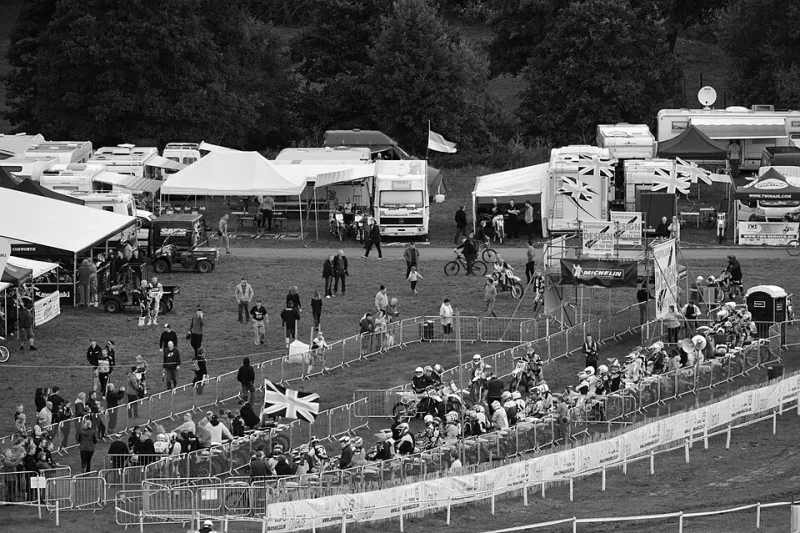
Race days are long. Pack for all four seasons, because a British motocross meeting can deliver fog, sunburn and hail before lunch. A gazebo, folding chairs, warm layers, a thermos and more food than you think you need will make the day far easier. Bring bin bags for wet kit and a basic toolkit for the bike. Bring spare goggles. Bring patience.
Signing on and scrutineering can feel busy, especially at your first meeting. Arrive early, follow the club’s instructions and keep your child close. Nerves are normal. A familiar routine helps: sign on, get scrutineered, walk the track if allowed, eat something, gear up, ride. Keep the chat calm and simple.
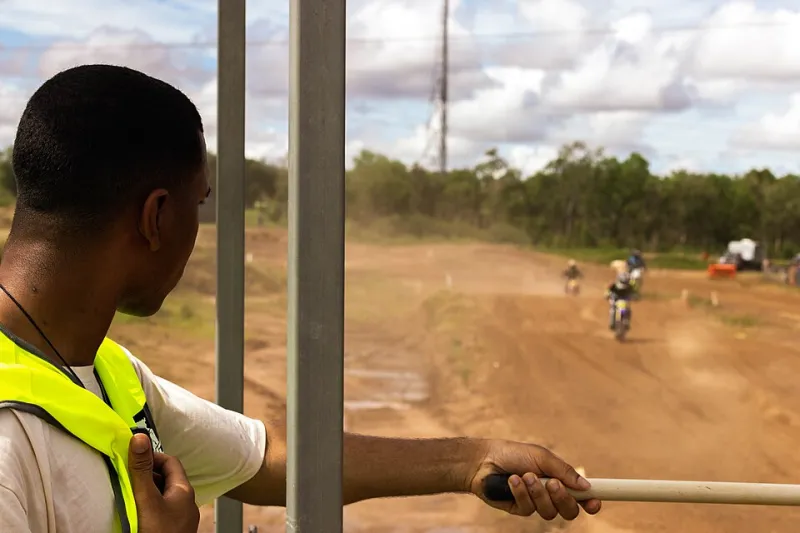
At the fence, cheer for everyone, not just your child. Don’t coach from the sidelines — they can’t hear you and it rarely helps. If your child crashes, stay calm and let the marshals do their job. Thank the marshals afterwards. They’re standing in the cold so your family can race.
The budget: keep it boring and honest
Motocross is not cheap, but youth club racing can be done sensibly. Write down the real costs: bike, safety kit, club membership, licence, race entries, fuel, transport, tyres, spares and maintenance. Then add a cushion, because two-strokes have a sense of humour.
Set a season budget before you buy anything shiny. A well-maintained used bike and decent second-hand kit will get a new rider further than a blinged-up race machine and no budget for entries. Don’t chase every upgrade. At club level, seat time and good habits beat expensive parts every time.
Paddock etiquette and the small stuff
Share space, keep noise reasonable and take your rubbish home. Don’t block access with your van or gazebo. Keep dogs under control and away from bikes. Help when someone needs a hand — jump leads, a spare bolt, holding a bike while a kid gets gloves on. The youth paddock is a community, and the parents who pitch in are the ones everyone remembers fondly.
Also remember your child is watching how you handle a bad result. If you shrug, laugh and say “we’ll have another go next time”, they learn something useful. If you sulk all the way home, they learn something else entirely.
Final lap
Your child’s first UK motocross season should be about muddy boots, new mates, small victories and the ride home with stories. Keep the paperwork sorted, the kit safe, the budget realistic and the shouting to a minimum. You’ll still lose a goggle lens. You might even enjoy it. Welcome to the parent pit lane — the kettle’s on.