Byway Bootcamp: How Legal UK Green Lanes Keep Your Race Brain Sharp Through Winter
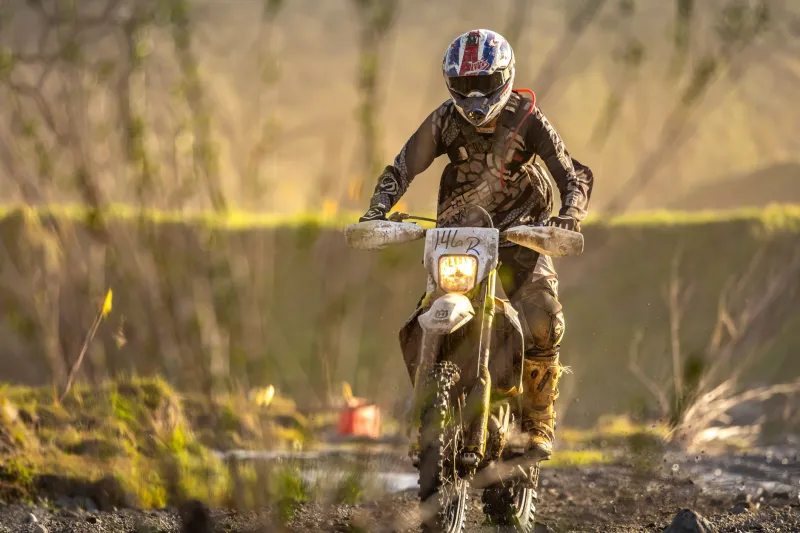
There’s a particular kind of November frustration that every club racer knows. You’ve got fresh grips fitted, the air filter is clean, and the forecast has turned the track into a bog. The meeting is off. The practice day is cancelled. And you’re left staring at the van, wondering whether the season has quietly ended without telling you.
For plenty of riders, the answer is the green lane. Not as a replacement for motocross — more on that later — but as a way to keep your hands busy, your clutch finger sharp and your brain tuned to reading messy ground. Used properly, a legal UK byway can be a brilliant off-season classroom. Used badly, it’s a fast route to a complaint, a gate left open and another lane shut for everyone.
First, Make Sure It’s Actually Legal
This is the bit that separates green-laning from a random lap of your mate’s farm. In England and Wales, the legal status of a lane matters enormously. A byway open to all traffic, often shortened to BOAT, generally allows motor vehicles. A restricted byway does not. Unclassified roads and other routes can vary, and individual lanes may be hit by temporary or permanent traffic regulation orders. Old maps, inherited GPX files and a bloke down the pub saying “we’ve always ridden it” are not proof of access.
Check the local highway authority’s definitive map, look for known traffic regulation orders, and speak to local trail riding groups such as the Trail Riders Fellowship. They tend to know which lanes are sensitive, seasonally soft or under pressure. If a lane is closed, don’t be the rider who ignores it. One selfish afternoon can damage access for years.
Your bike needs to be legal too. That means taxed, insured and, where required, MOT’d. Number plate fitted. Lights working. A silencer that doesn’t announce your arrival three valleys away. If your motocross bike has no plate and no paperwork, it doesn’t belong on a byway. Simple as that.
Prep the Bike for Mud, Not for a Gate Drop
A green lane is not a race track, so don’t build the bike like one. Road-legal knobblies are the starting point, and tyre pressures need to work on tarmac links as well as wet roots. Too low and you risk pinch flats and squirmy road manners; too high and you’ll skate about in the slop. Experiment carefully and carry a small pump.
Gearing is worth a thought. Very low enduro gearing can be brilliant in a rut, but miserable on the road sections between lanes. Standard or mildly lowered gearing is often the sensible compromise. Fit handguards, check your mud clearance, and make sure your cooling system is clean and working. Winter lanes are slow, stop-start and claggy, which means bikes can run hot one minute and cold the next.
Pack a basic toolkit, a tow rope, a phone and a way to navigate that doesn’t rely on one bar of signal. A small first aid kit is never wasted. Neither is a proper jacket, gloves that still work when wet, and boots you can walk in if a lane turns into a recovery mission.
Ride Like a Guest, Not a Race Leader
Green-laning etiquette is not complicated, but it does require actual effort. Close every gate unless it was already open. Leave gates as you find them. Slow right down for walkers, cyclists and horse riders. If horses are involved, stop, switch off if it helps, and let the rider get past without drama. Don’t roost past anyone. Don’t shout at anyone. Don’t turn a quiet lane into a practice start.
Small groups are easier to manage and less intimidating to other users. Avoid lanes that are clearly sodden and likely to churn up. If the surface is soft enough that you’re leaving deep ruts, turn around or choose another route. The countryside isn’t a motocross track, and the people who live and work there aren’t marshals.
That also means no racing. No timing yourself against your mate. No trying to clear a muddy climb at race pace with a queue of walkers nearby. The moment you treat a byway like a special test, you’ve missed the point and probably broken the law.
What Green Lanes Actually Teach You
Here’s the useful part. Legal trail riding can sharpen skills that transfer directly to motocross, especially in winter conditions. The pace is slower, the consequences are different, and the terrain is constantly changing. That makes it a good environment for deliberate practice.
Clutch control is top of the list. Lanes teach you to feed power in tiny increments, especially on wet roots, off-camber mud and slow uphill ruts. You learn to keep the bike driving without spinning the rear up and digging a trench. That finesse pays off at the start gate and in boggy corners.
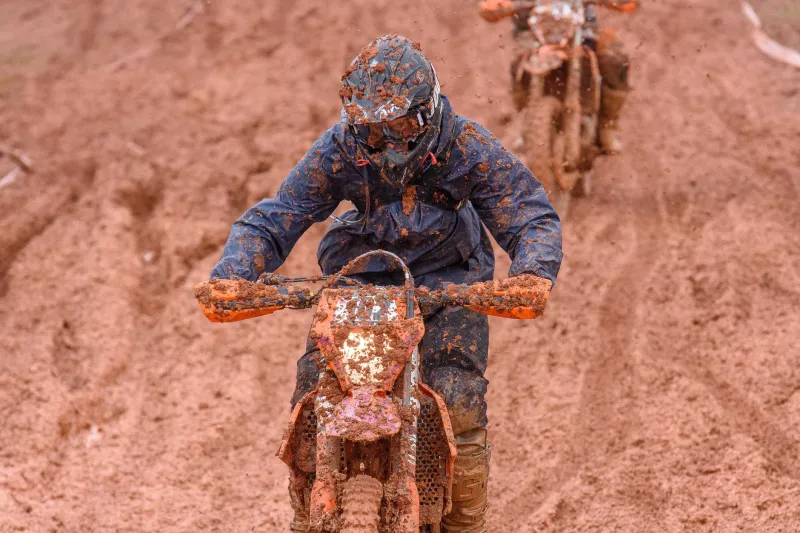
Balance and body position get a proper workout too. Standing on the pegs, shifting weight over the rear, keeping your arms loose — all of it matters when the front tyre is wandering through a muddy line. You also learn to read ground before you commit to it. Is that dark patch water or a rut? Is that camber going to pull the front in? Where’s the grip? That’s line reading, just at trail speed.
Throttle discipline is another big one. Motocross rewards aggressive inputs, but green lanes reward smooth ones. You learn to use momentum instead of wheelspin, to roll speed through a wet section rather than stabbing the brakes, and to stay relaxed when the bike moves underneath you. None of that is glamorous. All of it is useful.
It’s Training, Not a Substitute
Let’s be clear: green-laning will not replace motocross practice. There are no jumps, no gate drops, no race-pace braking bumps and no marshal waving a flag. You can’t rehearse a full moto on a byway, and you shouldn’t try. The skills are complementary, not identical.
What green lanes can do is stop you going completely rusty. They keep your clutch hand honest, your balance tuned and your eyes scanning ahead. They give you a reason to clean the bike properly, check the nuts and bolts and remember that riding in British winter conditions is supposed to be a bit grim and a bit brilliant.
Plan the Day Properly
Pick a route that suits the weather and your fuel range. Winter daylight disappears fast, so don’t be ambitious at 2pm. Tell someone where you’re going. Ride with a mate if you can. Carry water, snacks and a charged phone. If a lane is blocked by a fallen tree or a locked gate that shouldn’t be locked, don’t force it — find another way and report it through the proper channels.
And when you get home, wash the bike. Not just because it looks better, but because salt, mud and grit will eat bearings, chain and brake pistons if you leave them to it. The off-season is built on small habits. Green lanes are just another one worth keeping.