Nine Winter Checks That Keep Your Motocross Bike Ready for British Mud
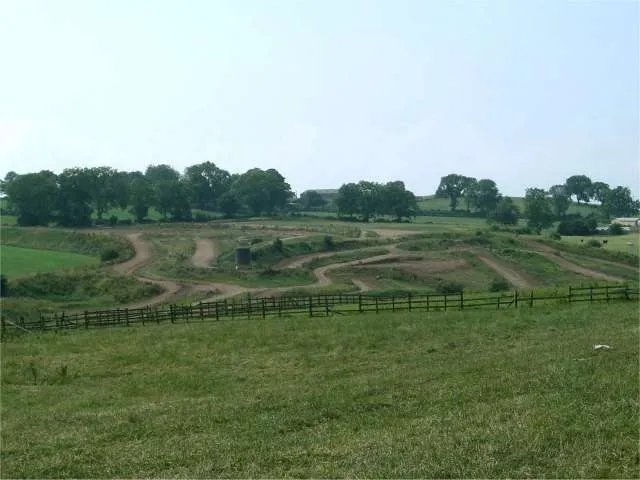
Photo: Matt Prosser, CC BY 3.0, via Wikimedia Commons
British winter has a special talent for turning a tidy motocross bike into a mud-caked science project. One wet club meeting, one cold start, one overenthusiastic pressure-wash session, and suddenly you're ordering bearings instead of practising starts. The 2026 off-season is the right time to get ahead of it.
Whether you're racing through the slop or grabbing practice days between storms, the aim is the same: keep the bike fighting fit, spend smart, and avoid the classic February panic-buy. Here are nine checks that earn their keep in British conditions.
1. Linkage and wheel bearings
Mud is patient. It creeps past seals, sits in the swingarm linkage and quietly turns smooth movement into grinding paste. Put the bike on a stand, grab the rear wheel and check for play. Rock the swingarm side to side. Drop the linkage bolts if they've been in there a while, clean everything and repack with waterproof grease.
Cost-saving bit: a tub of decent grease and a few seals are far cheaper than a scored linkage, ruined shock shaft or a swingarm that needs machining. If a bearing is rough, replace it now — not halfway through a race day when the rear end starts doing its own thing.
2. Air filter discipline
A dirty filter is a shortcut to valve damage, and winter tracks serve up plenty of fine grit. Keep at least two clean, oiled filters ready. Seal the filter lip with grease, seat it properly and don't over-oil it into a soggy brick. Wash filters in proper cleaner, let them dry fully and oil them evenly.
If you're riding weekly, a second filter is not a luxury. It's the cheapest engine insurance in the van.
3. Coolant and cold starts
Check the coolant level when the engine is cold, inspect hoses for cracks and make sure the mix is right for the temperatures you're riding in. A weak mix or a tired hose can turn a cold morning into a messy surprise.
Cold starts deserve respect. Don't fire it up and immediately rev it to the moon. Use the choke or cold-start system as intended, let it idle and warm gently. If your bike has electric start, keep the battery healthy with a tender between rides. A bike that cranks slowly on a frosty morning is telling you something.
4. Brakes that bite
Mud chews through pads and can leave pistons sticky. Check pad thickness, disc wear and lever feel. If the fluid looks dark or the lever is spongy, bleed the system. Clean pistons carefully before pushing them back — forcing dirty pistons into the caliper is a false economy.
After a muddy ride, rinse the calipers with low pressure and dry them. Don't spray chain lube anywhere near the discs. Obvious? Yes. Still happens? Every weekend.
5. Tyres and pressures
British winter usually means soft terrain, standing water and ruts that appear out of nowhere. Check for cuts, missing knobs and tired sidewalls. Run suitable soft-to-intermediate tyres and set pressures for the conditions, not the internet. Rim locks and tube condition deserve a look too.
A fresh set of tyres can transform confidence, but don't bin a good set just because they look muddy. Clean them, inspect them and keep the best pair as spares.
6. Clean-down without the damage
A pressure washer is brilliant and brutal. Blast the plastics and the heavy mud, but keep the nozzle away from bearings, seals, electrics and the airbox. Use low pressure around the chassis and dry the bike properly afterwards.
A light coat of ACF-50 or a reputable corrosion protector on metalwork helps keep the winter rot away. Clean and lube the chain after washing, not before. And don't put the bike away wet — a dry bike is a happy bike.
7. Storage that doesn't bite back
If the bike is going to sit for a few weeks, give it a fighting chance. Change the oil, stabilise the fuel or drain it depending on your routine, clean the filter and lift the bike off the ground if possible. A battery tender is cheap peace of mind. Store it somewhere dry and cover it loosely so air can move.
8. Build a proper spares box
Winter race days eat levers, tubes, plugs and brake pads. Keep a box in the van with levers, a spark plug, tubes, chain links, zip ties, brake pads, a spare filter and the tools you actually use. Label it. Restock it after every ride. Future you, freezing at 7am, will be grateful.
9. Fasteners, spokes and cables
Give the bike a once-over with spanners and eyes. Check engine mounts, axle nuts, sprocket bolts, spoke tension and cable routing. Look for frayed cables and worn grips. A dab of threadlock where it belongs and a few minutes with a spoke key can prevent a very long walk back to the van.
Winter isn't downtime — it's prep season. Do these nine checks now and your motocross bike will be ready for the next muddy idea, without a silly bill landing on the doormat.